
Learning how to analyze football matches correctly is one of the most important skills for anyone who wants to understand the game on a deeper level. While many fans rely on intuition or recent results, professional analysts follow a structured approach. They evaluate data, tactics, and context before forming conclusions.
In this guide, you’ll learn how to analyze football matches step by step, using the same principles professionals apply. More importantly, you’ll understand why each factor matters and how they work together.
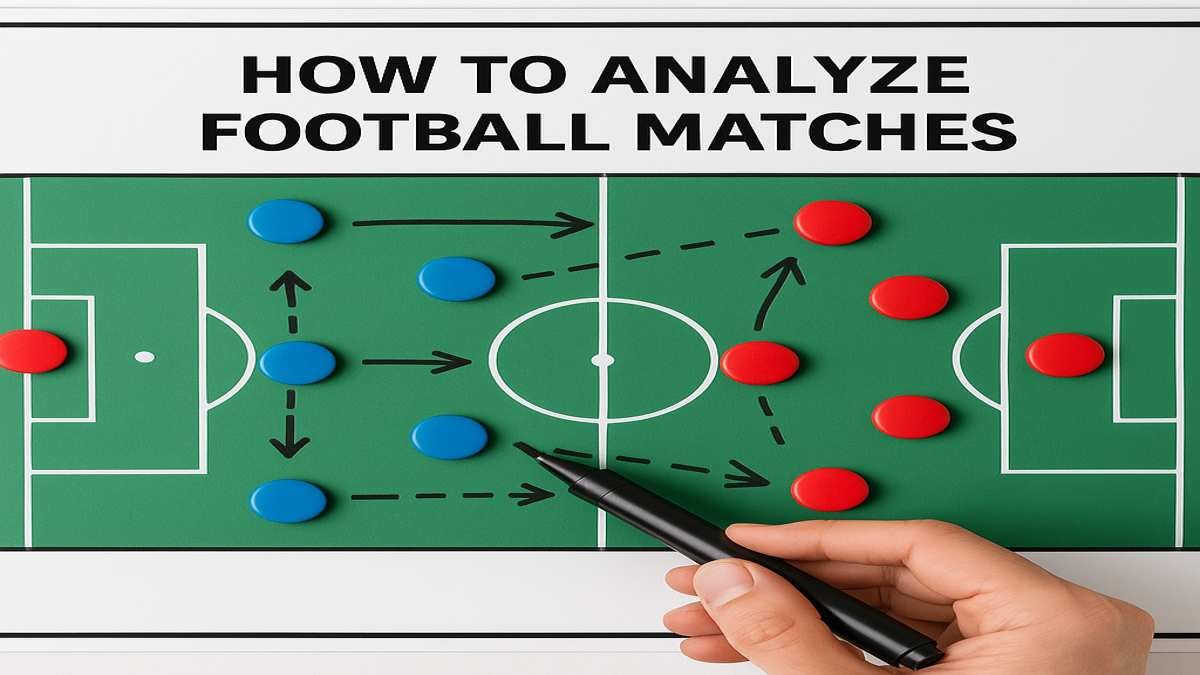
Understanding How to Analyze Football Matches
Football is a dynamic sport. As a result, outcomes are influenced by far more than just talent or league position. Teams change from week to week due to injuries, motivation, tactical adjustments, and external pressure.
Therefore, proper football match analysis focuses on patterns, not guesses. When analysis is done correctly, it allows you to evaluate performances objectively rather than emotionally, leading to more professional football insights over time.
Team Form and Recent Performances When You Analyze Football Matches
Team form is often the first thing analysts examine. However, it’s important to go beyond simple win–loss records.
Instead of asking “Did they win?”, professionals ask:
- How did the team perform?
- Were results consistent with performances?
- Did the team dominate or struggle?
For example, a team might win two matches but create very few chances. Meanwhile, another team may lose while producing strong attacking numbers. In such cases, the underlying performance is more important than the result itself.
What to Look For
- Goals scored vs chances created
- Defensive stability
- Performance trends over 5-6 matches
Consistency is a strong indicator of reliability.
Squad Depth, Injuries, and Suspensions When You Analyze Football Matches
Squad availability plays a crucial role in football match analysis. Even the strongest teams can struggle when key players are missing.
Before analyzing a match, professionals always check:
- Injuries to core players
- Suspensions, especially in defense or midfield
- Rotation due to fixture congestion
Moreover, squad depth matters. Some teams replace missing players easily, while others suffer a significant drop in quality.
As a result, two teams with similar league positions may perform very differently depending on availability.
Tactical Matchups and Playing Styles When You Analyze Football Matches
Football matches are often decided by tactical compatibility. Some styles naturally counter others.
For example:
- High-pressing teams often trouble slow build-up sides
- Compact defensive teams frustrate possession-based opponents
- Wide attacks exploit narrow defensive systems
Because of this, analyzing how two systems interact is essential.
Key Tactical Questions
- Does one team press high or sit deep?
- Are full-backs heavily involved in attack?
- How does the team react when conceding first?
Understanding tactics helps explain why certain matchups repeatedly produce similar outcomes.
Motivation and Psychological Factors
Motivation is one of the most underestimated elements in football analysis. However, professionals take it very seriously.
Teams behave differently depending on context. For instance:
- Title races increase focus and intensity
- Relegation battles create urgency
- Local derbies raise emotional stakes
Additionally, motivation often changes late in the season. Teams with nothing to play for may rotate players, while others push beyond their usual limits.
Therefore, analyzing why a team needs a result is just as important as how they play.
Home and Away Performance Trends
Home advantage remains a significant factor in football. While modern travel has reduced its impact, many teams still perform better in familiar environments.
Professionals compare:
- Home vs away results
- Goal difference by venue
- Tactical adjustments when traveling
Some teams rely heavily on crowd energy, while others are comfortable playing away. Recognizing these patterns improves analysis accuracy.
How to Analyze Football Matches Step by Step
To analyze matches consistently, professionals follow a simple sequence: check team news, assess recent performances, review tactical matchups, and confirm insights with statistics. This step-by-step approach helps reduce emotional bias and improves decision-making.
Statistical Indicators That Matter
Statistics help confirm what the eye test suggests. However, not all numbers are equally useful.
Many professional analysts rely on advanced metrics such as expected goals (xG) to evaluate performance more accurately, as explained on Wikipedia.
Key Metrics Professionals Use
- Expected goals (xG)
- Shots on target
- Shot quality
- Possession with purpose
- Defensive actions per match
Rather than focusing on one metric, analysts combine several indicators to build a complete picture.
For example, consistent xG superiority often predicts future success better than short-term results.
Game Context and Scheduling Factors
Context shapes performance. Therefore, professionals always consider external factors such as:
- Fixture congestion
- Travel distance
- Weather conditions
- Previous head-to-head patterns
A team playing its third match in seven days may struggle physically. Likewise, extreme weather can slow down technical sides.
Ignoring context leads to flawed conclusions.
Why Long-Term Patterns Matter More Than One Match
Single matches can be misleading. Red cards, penalties, or refereeing decisions can distort outcomes.
That’s why professionals prioritize long-term trends. When a team consistently shows strength across multiple matches, it becomes a reliable indicator of quality.
In contrast, short-term spikes often correct themselves over time.
Final Thoughts on Professional Football Match Analysis
Learning how to analyze football matches requires discipline and patience. While intuition plays a role, structured evaluation delivers far better results.
By combining:
- Performance data
- Tactical understanding
- Squad analysis
- Motivation and context
You gain a clearer, more reliable view of the game. Over time, this approach transforms how you understand football and interpret match outcomes.